

How Retailers Can Balance Style and Functionality in Winter Apparel Merchandise
Retailers no longer have to choose between technical winterwear and fashion-led pieces. Winterwear has evolved beyond single-purpose performance pieces, and customers increasingly want garments that combine technical function with a polished point of view. Customers increasingly expect warmth, mobility, comfort, and style from the same garment.
For retailers, the challenge is knowing which fabrics, insulation levels, silhouettes, and construction details can serve different customers without making the assortment feel disconnected. That's why style and functionality in winter collections need to work together from the start.
FERA has approached this balance since 1978, combining technical thinking with tailored fits, premium fabrics, and polished winter design. Drawing on decades of winterwear experience, we have brought together insights to help retailers build collections designed to perform on the mountain while staying relevant beyond it.
Why Today’s Winter Consumers Expect More From Their Clothing
Winterwear is no longer a one-purpose purchase. A customer might buy a jacket for a ski trip but plan to wear it for après, travel, or a cold day in the city too. For retailers, that means versatility is a non-negotiable factor to keep in mind when building the assortment and not just an added afterthought.
When deciding which pieces belong in your collection, ask:
-
Does the garment provide the right level of warmth for its intended customer and use?
-
Does the fabrication allow comfortable movement and layering?
-
Can the piece work across skiing, travel, and everyday winterwear?
-
Does the fit and silhouette offer something distinct within the assortment?
-
Can it be styled easily with other pieces in the collection?
This is where style and functionality in winter collections need to work together. The hero pieces will make technical qualities part of the design, allowing warmth, stretch, weather protection, and mobility to strengthen both the product and the overall assortment.
How FERA Approaches Winter Design: Where Performance Meets Polish

FERA’s story began in 1978, when founder Betty Tung saw a gap in ski apparel. Technical pieces offered performance but often lacked shape, while fashion-led options could sacrifice practicality. She found that balance in her first collection, which still shapes FERA’s winterwear today.
For example, the Daniella jacket combines 4-way stretch, 140g Thermolite Plus insulation, and waterproof, breathable performance in a tailored silhouette. The Lucy pant uses 60g Slimline insulation bonded to a soft tricot lining for warmth in a lower-profile, stretchy design.
For retailers, these designs and architecture show how style and functionality in winter collections can work hand in hand without sacrificing either. Fabrication, insulation, and fit can solve practical needs while supporting cleaner silhouettes and a cohesive assortment.
Start With Fabric: The Foundation of Functional Winter Collections
Fabric can make or break the balance between functionality and style in a winter collection. So it makes sense to get that factor right. Warmth, weight, stretch, texture, and weather protection all affect how a piece fits, moves, layers, and looks.
Insulation That Feels Warm, Not Heavy
The right insulation depends on the customer and the conditions. FERA uses different insulation weights to give retailers multiple ways to approach warmth.
The Daniella pairs 140g Thermolite Plus with 4-way stretch and waterproof, breathable performance, keeping a tailored shape without limiting movement. The Lucy uses lighter 60g Slimline insulation bonded to a soft tricot lining, making warmth easier to wear without unnecessary bulk.
For retailers, the value is not simply offering two insulation weights. It is being able to build a collection around different customer needs without creating repetitive silhouettes. One fabrication can support a more substantial cold-weather piece, while a lower-profile construction can serve customers looking for warmth with a cleaner, lighter feel.
That range helps retailers serve both customers preparing for serious cold and those looking for a sleeker winter layer.
Knit Fabrics That Layer Easily
The wrong knit can quickly become a turn-off. A bulky sweater under a jacket can restrict movement, while one that is too light may leave customers cold. Retailers should therefore look for knitwear with a clear role in the layering system.
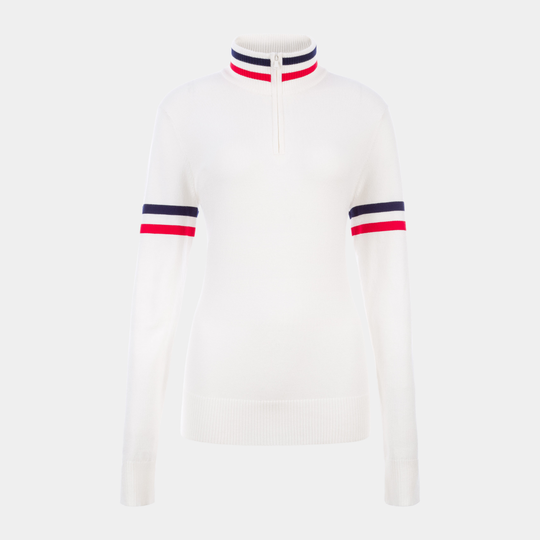
FERA’s Kate 1/2 Zip, for example, offers a versatile silhouette that works as a midlayer or on its own, while the USA Sweater adds another option for building a coordinated winter look.
This gives retailers more ways to build a layered collection without filling it with similar sweaters. Look for varied silhouettes, weights, and styling options that give each piece a clear role, from a midlayer on the slopes to an easy après option.
Stretch and Movement-Friendly Materials
Pants and bibs do some of the hardest work in a winter wardrobe, so their fabrics need to support movement, comfort, and protection. From bending and sitting to walking and skiing, they move through it all, so the fabric should support movement rather than work against it.
FERA’s Belle Stretch Pant and Brooke Stretch Insulated Bib show how retailers can build stretch into different types of ski bottoms without losing a polished look. The Belle offers a streamlined pant option, while the Brooke adds insulation for customers who need more warmth. When planning the collection, look for stretch across different silhouettes and warmth levels so customers can find the right balance of movement, comfort, and protection.
Choosing the right fabrics lets you build a collection around real customer needs, from technical ski layers for colder conditions to polished pieces that work beyond the slopes.
Build a Collection Around Different Customer Lifestyles

A winter customer does not always walk into your store looking for “a jacket.” They may be preparing for a ski trip, replacing an everyday coat, or packing for a winter holiday. The reason for the purchase changes what they prioritize.
For retailers, plan the assortment around why the customer is shopping, not just which category they are browsing.
The Performance-Focused Customer
Why they buy: They are dressing for cold, movement, and changing weather, so performance needs to earn their trust.
They will look closely at insulation, weather protection, stretch, and how the garment feels while moving. FERA’s insulated ski jackets, ski pants, and bibs speak directly to this customer.
The Style-Focused Customer
Why they buy: They want winterwear that looks good enough to become part of their wider wardrobe.
This customer notices the cut, proportions, fabric, and finishing details. Tailored parkas, slim ski pants, and polished knitwear can give them the look they want without sacrificing winter-ready function.
The Travel Customer
Why they buy: They want to pack less but still have enough variety to dress for different parts of the trip.
For this customer, one piece often needs to do more than one job. A lightweight jacket may work for sightseeing during the day, a cold restaurant in the evening, and dinner later that night. Packable layers, easy-to-coordinate colors, and pieces you can style up or down make the wardrobe more useful.
This is also where your categories can start working together. A jacket that works on the slopes and in the city, or a sweater that layers easily but also stands on its own, gives customers more reasons to buy. It also gives you more ways to merchandise the same piece across ski, travel, and everyday winterwear.


FAQs
How can retailers balance style and functionality?
Retailers can balance style and functionality by choosing pieces where fit, fabric, insulation, and mobility work together. Look for technical features such as stretch fabrics and low-profile insulation that support performance while keeping the silhouette polished.
What should retailers consider when choosing winter fabrics?
Consider warmth, weight, stretch, texture, layering, and weather protection. The right fabrication should suit the garment’s intended use while supporting its overall look. Offering different fabric weights and performance levels can also help serve varied customer needs.
How can retailers make winter collections more versatile?
Stock pieces that work across skiing, travel, après, and everyday winterwear. Versatile jackets, easy-to-layer sweaters, and stretch pants can serve multiple purposes, giving customers more ways to wear each piece and retailers more opportunities to build coordinated looks.
Why does fit matter in winter apparel?
Fit affects how comfortably a winter garment moves, layers, and performs. A well-designed fit should allow room for movement and layering without creating unnecessary bulk. Tailored silhouettes can also give technical pieces a more polished look on and beyond the slopes.
Building Better Winter Collections With FERA’s Approach
Your winter collection should do more than fill a seasonal category. It should give customers a reason to choose your store over the next one. That starts with looking beyond warmth and building around the details that drive purchase decisions: fabric, insulation, fit, layering, and versatility.
This is where style and functionality in winter collections can give your assortment a stronger point of view. FERA has followed this approach for decades, proving performance doesn't have to come at the expense of polish. So while you launch your next collection, make both part of the product from the beginning.
Explore FERA’s winter collections and discover how refined design and performance come together.


